Basic Islamic Knowledge Every Muslim Should Learn

Every Muslim, regardless of age or how long they've practiced Islam, benefits from returning to the basics. This guide covers the essential Islamic knowledge every Muslim should know — the kind of foundational understanding that supports confident worship and daily practice.
At Alhamd Academy, Islamic studies teachers help students of every age — including women and children building their foundational knowledge — understand these core concepts clearly and practically.
The Six Pillars of Iman (Faith)
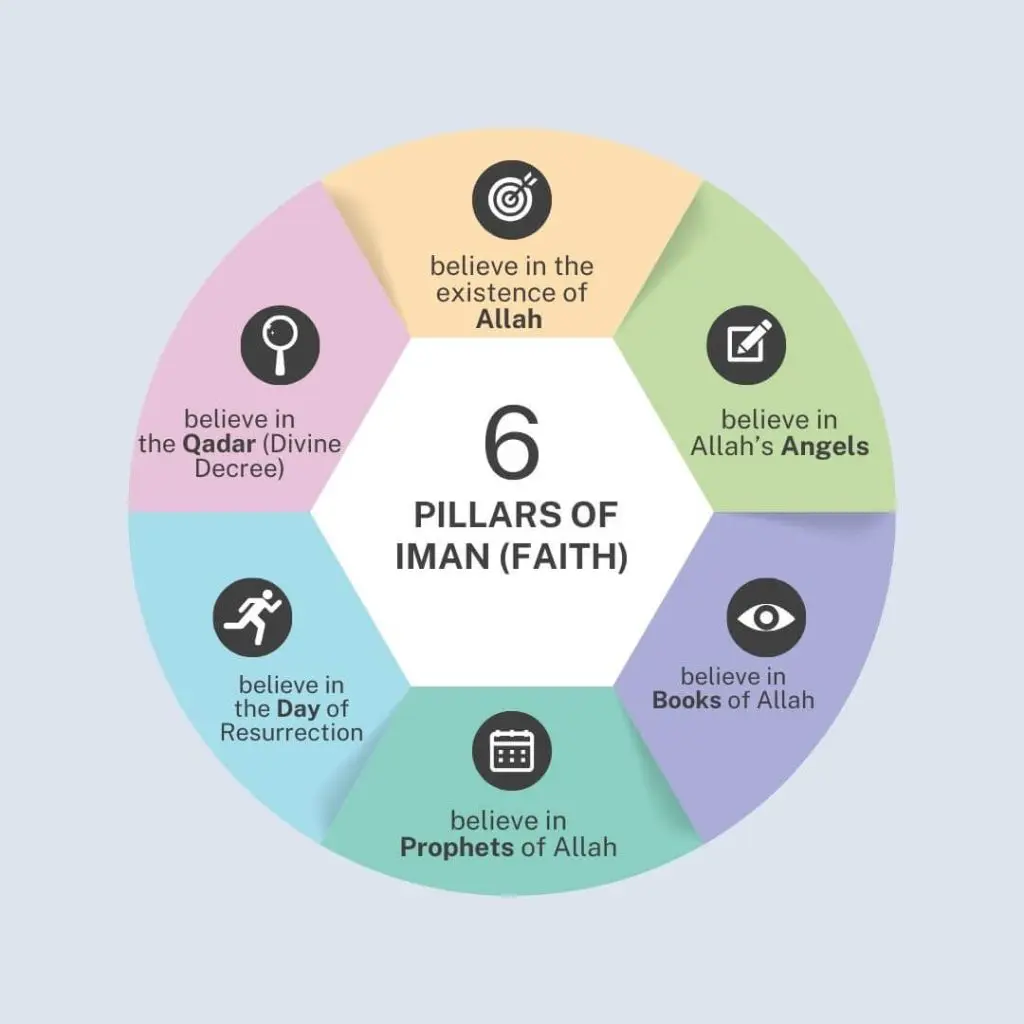
Iman rests on six core beliefs: belief in Allah, His angels, His revealed books, His messengers, the Day of Judgment, and Divine Decree (Qadr). These beliefs form the theological foundation upon which all Islamic practice is built, and understanding each one deepens a Muslim's sense of purpose and connection to their faith.
The Five Pillars of Islam
Shahada: the declaration of faith — testifying that there is no god but Allah and Muhammad ﷺ is His messenger.
Salah: the five daily prayers, performed at prescribed times throughout the day.
Zakat: obligatory charity, typically 2.5% of qualifying wealth, given annually to those in need.
Sawm: fasting during the month of Ramadan, from dawn until sunset.
Hajj: the pilgrimage to Mecca, obligatory once in a lifetime for those physically and financially able.
Essential Worship Knowledge
Wudu (Ablution)
Correct ablution is a prerequisite for valid Salah, involving washing specific body parts in a prescribed order. Understanding what breaks Wudu and how to perform it correctly is fundamental knowledge every practicing Muslim needs.
Salah Basics
Beyond simply knowing the movements, understanding the meaning behind each phrase recited during Salah — from the opening Takbir to the final Tasleem — transforms prayer from routine into genuinely engaged worship.
Basic Quran Recitation
Every Muslim should be able to recite at least Surah Al-Fatiha and a few short surahs correctly, since these are required for valid Salah.
Foundational Islamic History and Sources
The Quran: Allah's final revelation, preserved unchanged since its revelation to Prophet Muhammad ﷺ.
The Sunnah: the sayings, actions, and approvals of Prophet Muhammad ﷺ, serving as practical guidance alongside the Quran.
The Seerah: the biography of Prophet Muhammad ﷺ, offering context and lived example for Islamic teachings.
Everyday Islamic Etiquette (Adab)
Basic Islamic knowledge extends beyond ritual worship into daily conduct — honesty, kindness to parents and neighbors, proper greetings, and general good character (Akhlaq). These practical teachings shape how faith translates into everyday behavior.
Why This Knowledge Matters for Every Muslim
Whether you're a new convert, a lifelong Muslim seeking to strengthen your foundation, or a parent teaching your children, this core knowledge provides the framework for confident, informed practice. Women, in particular, often serve as the first teachers of this foundational knowledge to their children, making a solid personal understanding especially valuable.
How to Build This Knowledge Systematically
Start with the Six Pillars of Iman and Five Pillars of Islam as your foundation before moving to more detailed topics.
Learn Wudu and Salah practically, with correction from a knowledgeable teacher rather than relying solely on written descriptions.
Study short Tafsir explanations of frequently recited surahs to deepen understanding of what you're reciting.
Set aside consistent time weekly for structured Islamic studies rather than only learning passively over time.
Build Your Islamic Knowledge with Structured Learning
These fundamentals are best learned through structured lessons with a qualified teacher who can answer questions and provide context. Alhamd Academy's Islamic Studies program covers these essentials for learners of every age and background.
FAQs
What is the most important Islamic knowledge for a new Muslim?
The Six Pillars of Iman, Five Pillars of Islam, and correct Wudu and Salah form the essential starting foundation every new Muslim should learn first.
Do women need different Islamic knowledge than men?
The core pillars of faith and practice apply equally to men and women, though women also benefit from understanding specific rulings related to their unique worship circumstances.
How can I teach these basics to my children?
Introduce concepts gradually and age-appropriately, starting with simple explanations of the Five Pillars and building toward deeper understanding as children mature.
Building solid Islamic knowledge is a lifelong journey that starts with these essential fundamentals. With consistent learning and practice, this foundation supports confident faith and worship for Muslims of every age and background.