Why Tafseer is Essential: Understanding the Quran Deeply

Reading a Quran translation tells you roughly what a verse says. Studying Tafseer tells you why it says it that way, the context behind its revelation, and layers of meaning translation alone often can't capture. This guide explains why Tafseer matters and how to start learning it.
At Alhamd Academy, Tafseer is taught alongside Quran recitation, helping students — including women and older children ready for deeper study — connect meaning to the words they recite.
What Is Tafseer?
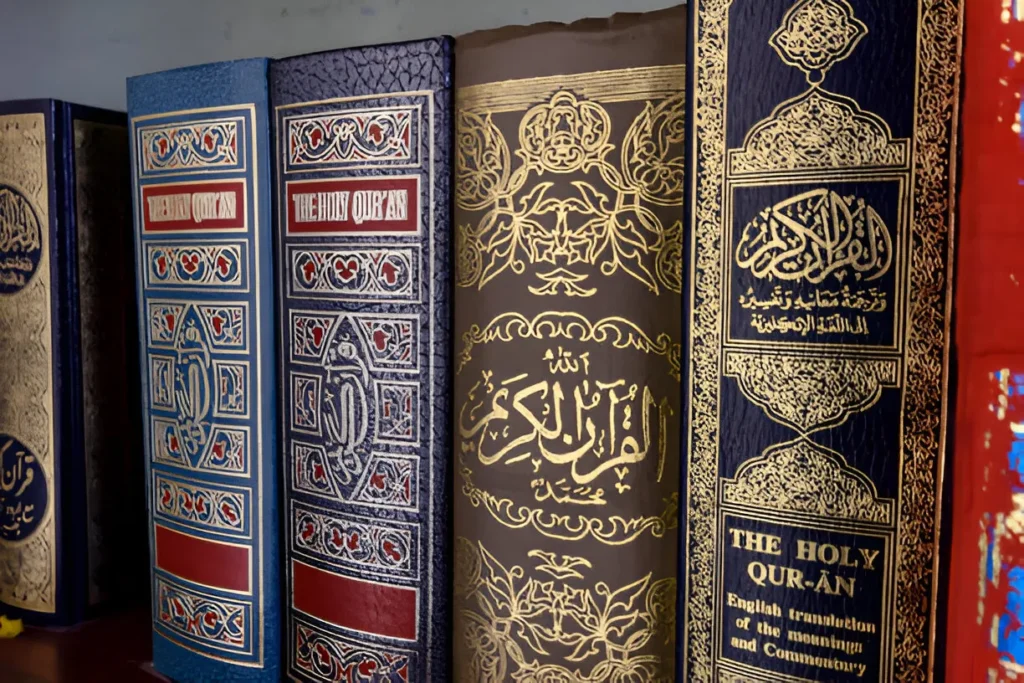
Tafseer (تفسير) is the scholarly discipline of Quranic interpretation and explanation. Unlike translation, which simply renders Arabic words into another language, Tafseer explores historical context, grammatical nuance, related Hadith, and scholarly consensus to explain what a verse truly means and why it was revealed in that specific way.
Why Translation Alone Isn't Enough
Arabic words often carry multiple layers of meaning that a single translated word cannot fully capture. Additionally, many verses were revealed in response to specific historical events (Asbab al-Nuzul), and understanding this context often changes how a verse should be applied or understood today.
Key Benefits of Studying Tafseer
1. Deeper Spiritual Connection
Understanding the reasoning and context behind Allah's words transforms recitation from mechanical repetition into genuinely reflective worship.
2. Clearer Practical Guidance
Many Quranic rulings and guidance become clearer when studied alongside Tafseer, which explains how scholars have historically understood and applied specific verses.
3. Protection from Misinterpretation
Studying authentic Tafseer sources helps Muslims avoid taking verses out of context or misunderstanding their intended meaning, a common issue when relying solely on isolated translation.
4. Historical and Cultural Context
Tafseer explains the circumstances surrounding revelation, helping readers understand the Quran's guidance within its original historical setting before considering contemporary application.
Trusted Sources of Tafseer
Tafseer Ibn Kathir: one of the most widely referenced classical Tafseer works, known for its reliance on authentic Hadith and scholarly consensus.
Tafseer As-Sa'di: valued for its clear, accessible language, making it a popular starting point for students newer to Tafseer study.
Tafseer Al-Tabari: one of the earliest and most comprehensive classical Tafseer collections, foundational to later scholarly works.
How to Start Studying Tafseer as a Beginner
Start with short, frequently recited surahs — Al-Fatiha, Al-Ikhlas, and the final Juz — before attempting longer, more complex chapters.
Use accessible Tafseer sources like As-Sa'di before moving to denser classical works like Ibn Kathir or Al-Tabari.
Study alongside a knowledgeable teacher who can explain context and answer questions as they arise.
Connect Tafseer study directly to verses you already recite regularly, deepening your existing relationship with familiar surahs.
Tafseer for Women and Families
Many mothers find that studying basic Tafseer alongside their children strengthens both their own understanding and their ability to answer children's questions about Quranic stories and rulings with genuine confidence, rather than surface-level familiarity alone.
Deepen Your Quran Understanding Through Tafseer
Studying Tafseer transforms your relationship with the Quran from familiar recitation into genuine understanding. Alhamd Academy's Islamic Studies program introduces Tafseer alongside recitation for students ready to go deeper.
FAQs
What's the difference between Tafseer and translation?
Translation renders Arabic words into another language, while Tafseer explores context, grammar, and scholarly interpretation to explain the fuller meaning and reasoning behind each verse.
Which Tafseer should beginners start with?
Tafseer As-Sa'di is often recommended for beginners due to its clear, accessible language, before progressing to more detailed classical works like Ibn Kathir.
Do I need advanced Arabic knowledge to study Tafseer?
No, many excellent Tafseer resources are available in clear English, though some Arabic vocabulary knowledge enhances the depth of understanding over time.
Studying Tafseer opens a richer, more meaningful relationship with the Quran than translation alone can offer. With the right sources and guidance, even beginners can start building this deeper understanding today.