How to Prepare for Ramadan: A Complete Guide
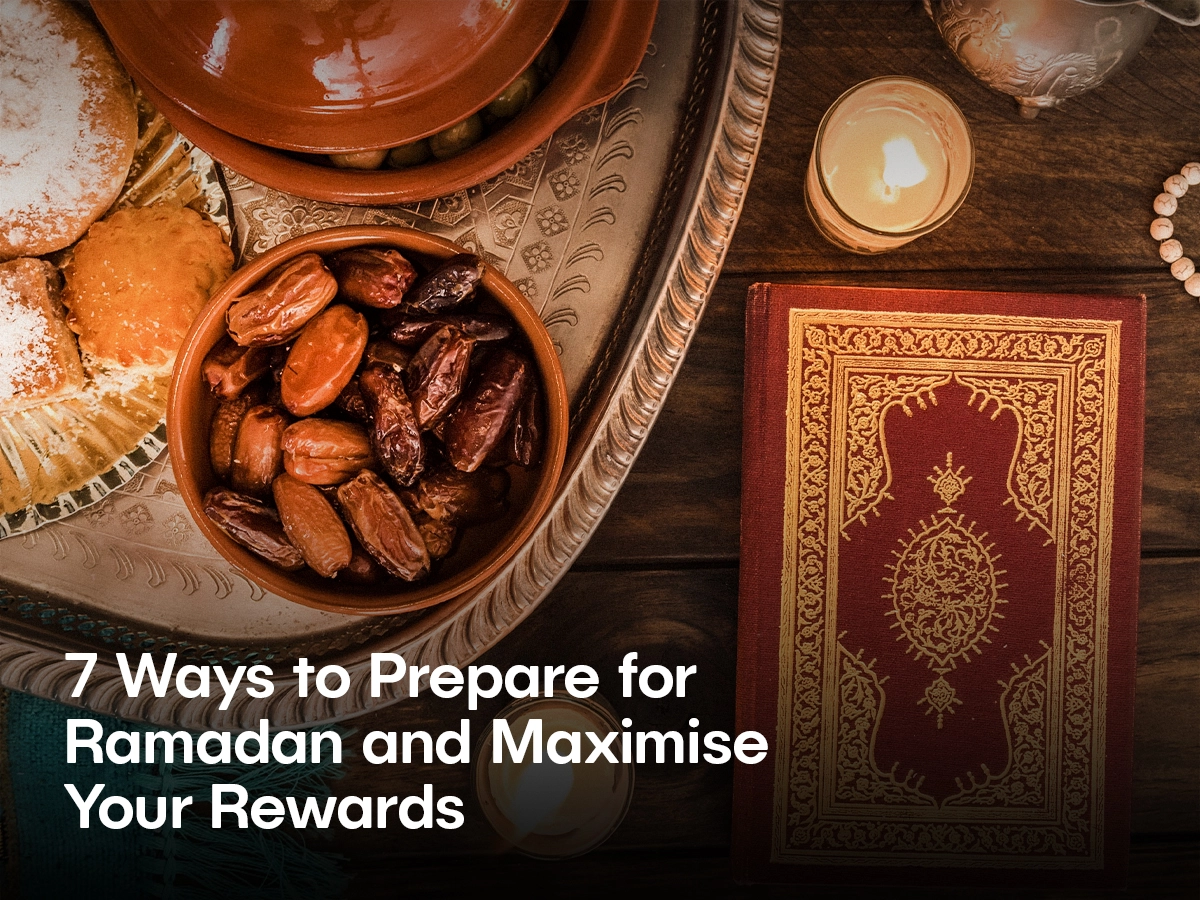
To optimize the benefits of the holy month, let's know how to prepare for Ramadan. Preparing for Ramadan entails making mental, bodily, and spiritual changes. Sha'ban fasting, boosting Quran memorization, creating regular prayer routines, creating a dua list, and purifying intentions are important milestones. To aid the adjustment, start cutting back on coffee, modifying sleep habits, and organizing wholesome Suhoor/Iftar meals.
How to Prepare for Ramadan

Ramadan, the ninth month in the Islamic calendar, is based on Sawm, the Fourth Pillar of Islam. Sawm, which translates to "to fast," teaches Muslims self-control and determination.
Naturally, fasting demands spiritual commitment and is psychologically and physically taxing. Therefore, in order to maximize the holy month of Ramadan, Muslims must prepare themselves in advance. So, how to prepare for Ramadan?
Make Every Effort to Get Ready for Ramadan
Having a checklist to review indicates that you're already making the necessary preparations to make this month less stressful, regardless of how to prepare for Ramadan.
Even though getting ready for Ramadan might be daunting, having the resources to get through the most difficult challenges of the month allows us to increase our productivity and maintain these beneficial habits even after Ramadan is ended.
Therefore, make the most of the remaining time before Ramadan by rearranging your schedule, upholding moral principles, and taking care of your health.
Have faith that Allah (SWT) will keep you unwavering in your preparations for Ramadan, a month filled with both bounties and hardships, and that your efforts will repay you both here on Earth and in the hereafter.
Advice for a fruitful Ramadan fast
During the month of Ramadan, fasting is both a physical and mental practice. Here are some pointers to assist Muslims know how to prepare for Ramadan and get used to the daily fast, even if our approaches to mental and physical preparation may differ:
Remain hydrated
Even if you don't feel particularly thirsty, try consuming water many times during the night because thirst is a symptom that your body is already dehydrated.
Because caffeinated beverages can be dehydrating, choose non-caffeine-containing fluids. Recall that breaking your fast with water at iftar, the evening meal after sunset, is not only customary but also guarantees that your body receives the optimal supply of hydration before becoming sidetracked by food.
However, use caution and avoid overindulging in alcohol at one time. When you attempt to consume many gallons at once, your body's electrolytes are diluted, which can result in water intoxication, a potentially deadly illness.
The spice of life is variety
In the evening, eat a variety of meals. Your body needs healthy food now more than ever to make up for the stress of fasting. Lean protein, fruits, vegetables, whole grains, and healthy fats (such as nuts and olive oil) are all essential for providing your body with the nutrition it requires.
The size of the portion is crucial
The body takes around 20 minutes to recognize that it has had enough food. Therefore, avoid overindulging in food at iftar. Compared to consuming large quantities at once, eating deliberately and paying attention to when your hunger is truly satiated reduces physical stress and increases energy.
Continue to move
Try not to remain totally inactive, even if fasting might be physically taxing. If you usually work out in the morning, try exercising in the evening after breaking your fast to observe how your body reacts.
Because you might easily become dehydrated during the day, it is not advisable to engage in strenuous activity. Think small—a few stretches or quick, leisurely walks (to classes or running errands) might help you stay energized throughout the day.
Some tips for a great pre-sunrise meal, or sehri
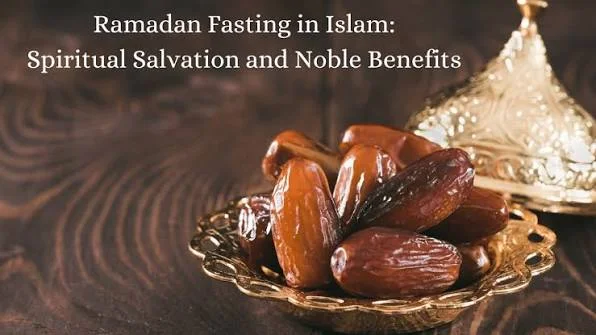
The elements of a balanced meal work together to keep your blood sugar levels consistent, which provides you with healthy energy. A few things to incorporate into your sehri are:
Brown rice, oatmeal, whole grain bread, and whole grain cereal are examples of whole grain foods.
For dozens of fresh fruit and vegetable ideas!
Sources of protein include nuts, eggs, yogurt, and milk.
Nuts and olives are good sources of healthy fat.
In addition to drinking water during Sehri, try these simple combinations:
Low-fat milk oatmeal with fruit and nuts on top.
A bowl of low-fat milk and whole-grain cereal with nuts and fruit on top.
A cooked egg, some fruit, and a slice of whole-grain bread.
A glass of low-fat milk and an apple or banana with peanut butter.
A glass of low-fat milk, some whole-grain bread, and a bowl of vegetable soup.
Canned tuna, mixed veggies, olive oil, and whole-wheat couscous salad.
Determine what suits you
To maintain your energy levels, you might want to try varying the frequency and timing of your meals based on your sleep routine. This leads me to a (very evident) point.
Have faith in your body's sensations
Since each person is unique, they may have various eating habits. See a dietician or other healthcare professional for further situation-specific guidance if you're struggling with fasting, and these suggestions don't work for you.
Finally, but just as importantly...
Have fun!
The happiest month of the year is this one! Eat meals with others, show kindness, and have patience with both your body and other people.
FAQs about how to prepare for Ramadan
When should I begin getting ready for Ramadan?
Ramadan preparations start far in advance of the first fast. Muslims traditionally begin in Rajab and Sha'ban, viewing Ramadan as the culmination of months of practical and spiritual preparation rather than as a single month. A more profound and long-lasting experience is ensured by early preparation, which enables progressive changes in body, mind, and spirit.
How does one get ready for a fast?
Cut back on coffee gradually, eat well-balanced meals, fast voluntarily, stay hydrated, and control your sleep. Your body adjusts to the fasting regimen more easily as a result.
On the final day before Ramadan, what should I do?
Make a dua, finalize your plans, clean your home, go over your Ramadan objectives, cook, and cut back on electronic distractions. Go to Dhikr for the day.
Are you prepared to make this Ramadan genuinely significant? Prepare your heart and head with the Quran by enrolling at Alhamd Academy now. In an easy and entertaining approach, our online courses help you learn Tajweed, strengthen your spiritual practice before and throughout Ramadan, and enhance your recitation.