Story of Prophet Adam: His Creation, Life in Paradise, and Lessons from the Quran

The story of prophet Adam is one of the most meaningful accounts in the Quran, introducing the beginning of humanity and explaining important lessons about obedience, knowledge, temptation, repentance, and Allah’s mercy. His story also helps Muslims understand the purpose of human life and the importance of divine guidance.
Learning the story of prophet Adam gives readers an opportunity to reflect on how Adam (AS) was created, honored with knowledge, tested in Paradise, and guided toward repentance. For families seeking structured Islamic education, Alhamd Academy can also help students explore Quranic teachings and Islamic values through accessible online learning.
Story of Prophet Adam in the Quran

The Quran presents Adam (AS) as the first human being and a prophet chosen by Allah. His story appears across several surahs, including Al-Baqarah, Al-A’raf, Ta-Ha, and Sad, with each passage highlighting different aspects of his creation, his experience in Paradise, and his relationship with Allah.
Rather than being only a historical account, the story of prophet Adam teaches fundamental principles about human responsibility, obedience, knowledge, and repentance. The Quran also contrasts Adam’s response to his mistake with Iblis’s response to Allah’s command, creating an important lesson about humility and accountability.
The Creation of Prophet Adam
Allah informed the angels that He would create a human being who would have a significant role on Earth. The Quran describes Adam’s creation from earthly material, demonstrating Allah’s power to create life from a substance that appears simple and humble to human beings.
The creation of Adam also establishes an important Islamic understanding of humanity. People were created by Allah with purpose and responsibility, rather than existing without direction. Adam’s beginning therefore introduces the broader purpose of human life: worshipping Allah, following His guidance, and acting responsibly on Earth.
Allah Taught Adam the Names of All Things
One of the remarkable moments in Adam’s story is Allah teaching him the names of things. This event highlights the special gift of knowledge and demonstrates that learning has an important place in Islamic thought and human development.
Adam’s knowledge also shows that human beings possess abilities that carry responsibility. Knowledge shouldn’t simply create confidence or status; it should encourage gratitude, reflection, and obedience to Allah. This lesson remains relevant today as Muslims pursue beneficial knowledge for their faith, families, education, and everyday lives.
The Angels Prostrated to Adam and Iblis Refused
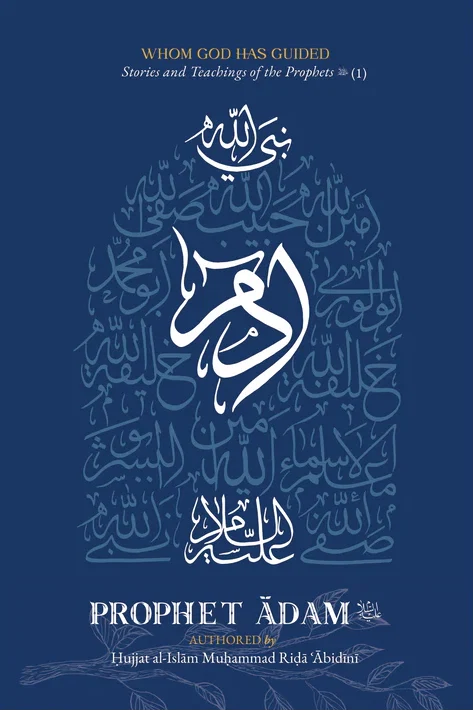
The story of prophet Adam also highlights the moment when Allah commanded the angels to prostrate to Adam. They obeyed His command, while Iblis refused because of his arrogance and considered himself superior to Adam. His response became an example of how pride can prevent someone from accepting truth and following divine commands.
The contrast between Adam and Iblis is central to understanding their different responses. Adam eventually acknowledged his mistake and turned back to Allah, while Iblis persisted in disobedience. This distinction teaches believers that humility, accountability, and sincere repentance are essential qualities for a righteous life.
Adam and Hawwa in Paradise
Allah placed Adam and his wife, Hawwa, in Paradise and allowed them to enjoy its blessings. They were given freedom to eat from its provisions, while being instructed not to approach a particular tree. This command became a test of obedience and demonstrated the importance of following Allah’s guidance.
The experience of Adam and Hawwa shows that blessings also come with responsibilities. Even when people have comfort and abundance, they still need guidance and self-control. Their experience introduces a recurring human challenge: responding to temptation while remembering Allah’s commands and trusting His wisdom.
The Test of the Forbidden Tree
The story of prophet Adam shows how Iblis sought to mislead Adam and Hawwa by whispering to them and encouraging them to approach what Allah had forbidden. Their experience demonstrates how temptation can influence human choices and why believers must remain aware of Allah’s guidance when facing difficult decisions.
The important lesson isn't simply that Adam made a mistake, but how he responded afterward. Human beings can make errors, yet Islam teaches that mistakes should lead to recognition, correction, and repentance rather than continued wrongdoing. This gives Adam’s experience lasting relevance for believers facing their own tests.
Prophet Adam’s Repentance and Allah’s Mercy
After realizing their mistake, Adam and Hawwa turned to Allah in repentance. Their response provides one of the most hopeful lessons in the account. Instead of becoming arrogant or refusing responsibility, they acknowledged their wrongdoing and sought Allah’s forgiveness and mercy.
The repentance of Adam demonstrates that a sincere return to Allah is always meaningful. The story of prophet Adam therefore reminds Muslims not to become hopeless after making mistakes. Recognizing wrongdoing, asking Allah for forgiveness, and trying to follow His guidance are important parts of developing a stronger relationship with Him.
The Descent of Adam to Earth
Adam and Hawwa were sent down to Earth, where human life would continue under Allah’s guidance. The Quran presents Earth as the setting for humanity’s responsibility, testing, worship, and obedience. Adam’s experience therefore marks the beginning of a human journey shaped by divine guidance.
The descent also helps explain why guidance is essential for humanity. Allah didn’t leave people without direction; revelation and guidance provide a way to distinguish right from wrong. Adam’s experience therefore connects the beginning of human history with the continuing need for faith, worship, and righteous action.
FAQs
Who was Prophet Adam in Islam?
Prophet Adam (AS) was the first human and prophet, created and guided by Allah. His story teaches about obedience, human purpose, repentance, and Allah’s mercy.
Where is the story of Prophet Adam mentioned in the Quran?
Adam’s story appears in Surahs including Al-Baqarah, Al-A’raf, Ta-Ha, and Sad, covering his creation, Paradise, Iblis, and the test.
What is the main lesson from Adam’s story?
His story teaches obedience, humility, accountability, sincere repentance, and trust in Allah’s guidance.
The story of prophet Adam offers timeless lessons about faith, obedience, humility, repentance, and Allah’s mercy. Studying his journey through the Quran helps Muslims strengthen their understanding of human purpose, recognize the value of guidance, and apply these important lessons in everyday life.
Read more:
The Story of Qarun – Tafsir Ibn Kathir