The Story of Prophet Ismail AS: The Sacrifice and Zamzam

The story of Prophet Ismail (Ishmael) combines two of the most powerful narratives in Islamic tradition — the miraculous discovery of Zamzam and the profound test of sacrifice that Muslims commemorate every year during Eid al-Adha. This story offers rich lessons for families of every age.
At Alhamd Academy, Ismail's story is taught alongside its connection to Hajj rituals, helping students understand the deeper meaning behind pilgrimage practices.
Hajar and Baby Ismail in the Desert
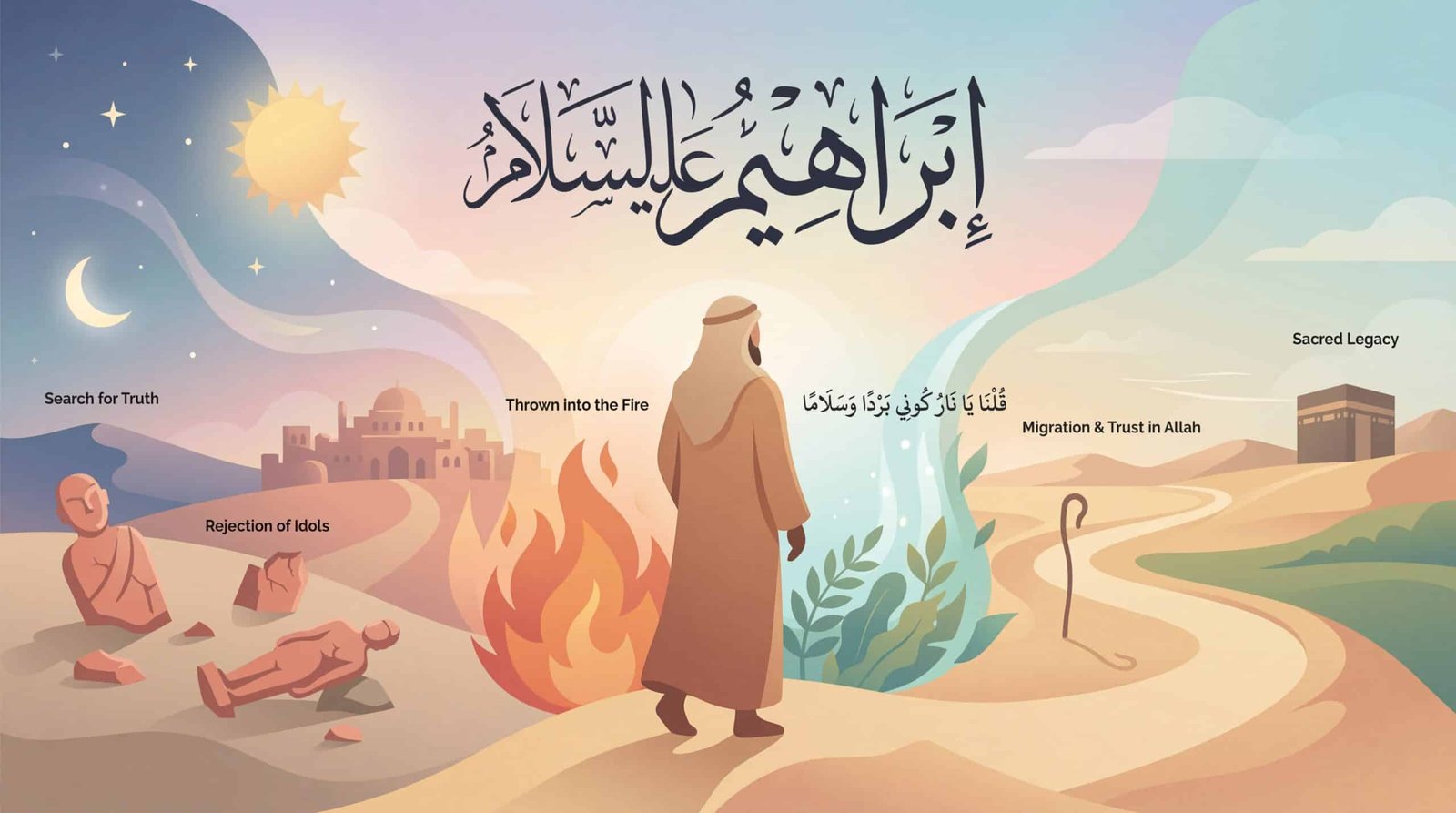
Prophet Ibrahim, following Allah's command, left his wife Hajar and infant son Ismail in the barren valley that would later become Mecca. Alone with her baby and dwindling supplies, Hajar's trust in Allah's plan, despite the seemingly impossible circumstances, became one of Islamic history's most powerful examples of faith.
The Search Between Safa and Marwah
As her water supply ran out and baby Ismail cried from thirst, Hajar ran desperately between the hills of Safa and Marwah seven times, searching frantically for water or help. This desperate search, born from a mother's love and trust in Allah, is commemorated today by every pilgrim performing Sa'i during Hajj and Umrah.
The Miraculous Spring of Zamzam
As Ismail's foot (or, in some narrations, the angel Jibril) struck the ground, water miraculously sprang forth — the well now known as Zamzam. This spring has flowed continuously for thousands of years, sustaining Mecca's population and pilgrims from around the world to this day.
The Profound Test of Sacrifice
Years later, Allah tested Ibrahim through a vision commanding him to sacrifice his beloved son Ismail. When Ibrahim shared this vision with his son, Ismail — showing remarkable maturity and faith — responded that his father should do as commanded, expressing his own willingness to submit to Allah's will.
Allah's Mercy: The Ram Replaces Ismail
As Ibrahim prepared to carry out this heartbreaking command, Allah intervened, replacing Ismail with a ram for sacrifice instead. This profound test of obedience and trust, from both father and son, is commemorated annually by Muslims worldwide through the Qurbani (sacrifice) performed during Eid al-Adha.
Building the Kaaba Together
Ibrahim and Ismail later worked together to rebuild the Kaaba, Islam's most sacred site, establishing it as the direction of prayer for Muslims across the world and the central destination of the Hajj pilgrimage.
Lessons from Ismail's Story
Complete trust in Allah, even in impossible circumstances: Hajar's faith in the desert exemplifies reliance on Allah's plan despite dire conditions.
Obedience to Allah's command, even when difficult: both Ibrahim and Ismail demonstrated complete submission despite the emotional weight of the test.
Allah's mercy accompanies genuine sacrifice: the replacement of Ismail with a ram shows that sincere obedience is met with divine mercy.
A mother's love and faith create lasting legacy: Hajar's desperate search became a permanent ritual performed by millions of pilgrims each year.
Connecting This Story to Hajj Rituals
Understanding Ismail and Hajar's story deepens the meaning behind Hajj rituals significantly — Sa'i directly commemorates Hajar's search, and Qurbani directly commemorates Ibrahim and Ismail's test, transforming these rituals from symbolic actions into deeply meaningful historical remembrance.
Explore This Story and Its Connection to Hajj
Ismail's story offers rich lessons in trust, obedience, and Allah's mercy, deeply connected to Hajj and Eid al-Adha traditions. Alhamd Academy's Islamic Studies program teaches this story alongside its practical connection to pilgrimage rituals.
FAQs
Why is the well of Zamzam significant in Islam?
Zamzam miraculously appeared to save baby Ismail and his mother Hajar in the desert, and it has continuously flowed for thousands of years, remaining a source of blessed water for Muslims worldwide today.
Why do Muslims perform Qurbani during Eid al-Adha?
Qurbani commemorates Ibrahim's willingness to sacrifice his son Ismail in obedience to Allah, and Allah's mercy in replacing Ismail with a ram, symbolizing sincere devotion and submission.
What does Sa'i during Hajj commemorate?
Sa'i, walking between Safa and Marwah, commemorates Hajar's desperate search for water for her son Ismail, symbolizing trust in Allah during moments of hardship.
The story of Prophet Ismail beautifully weaves together themes of trust, obedience, and divine mercy — a narrative that continues to shape Islamic ritual and inspire faith across generations of Muslim families.