Umrah Step by Step: A Simple Guide for First-Timers

Umrah, often called the "minor pilgrimage," offers Muslims a deeply meaningful spiritual journey to Mecca that can be performed at any time of year. For first-timers, understanding what to expect makes the experience far more focused and rewarding.
At Alhamd Academy, Islamic Studies teachers walk students through each Umrah ritual and its meaning, helping first-timers — including women preparing for their first journey — feel genuinely prepared.
What Is Umrah?
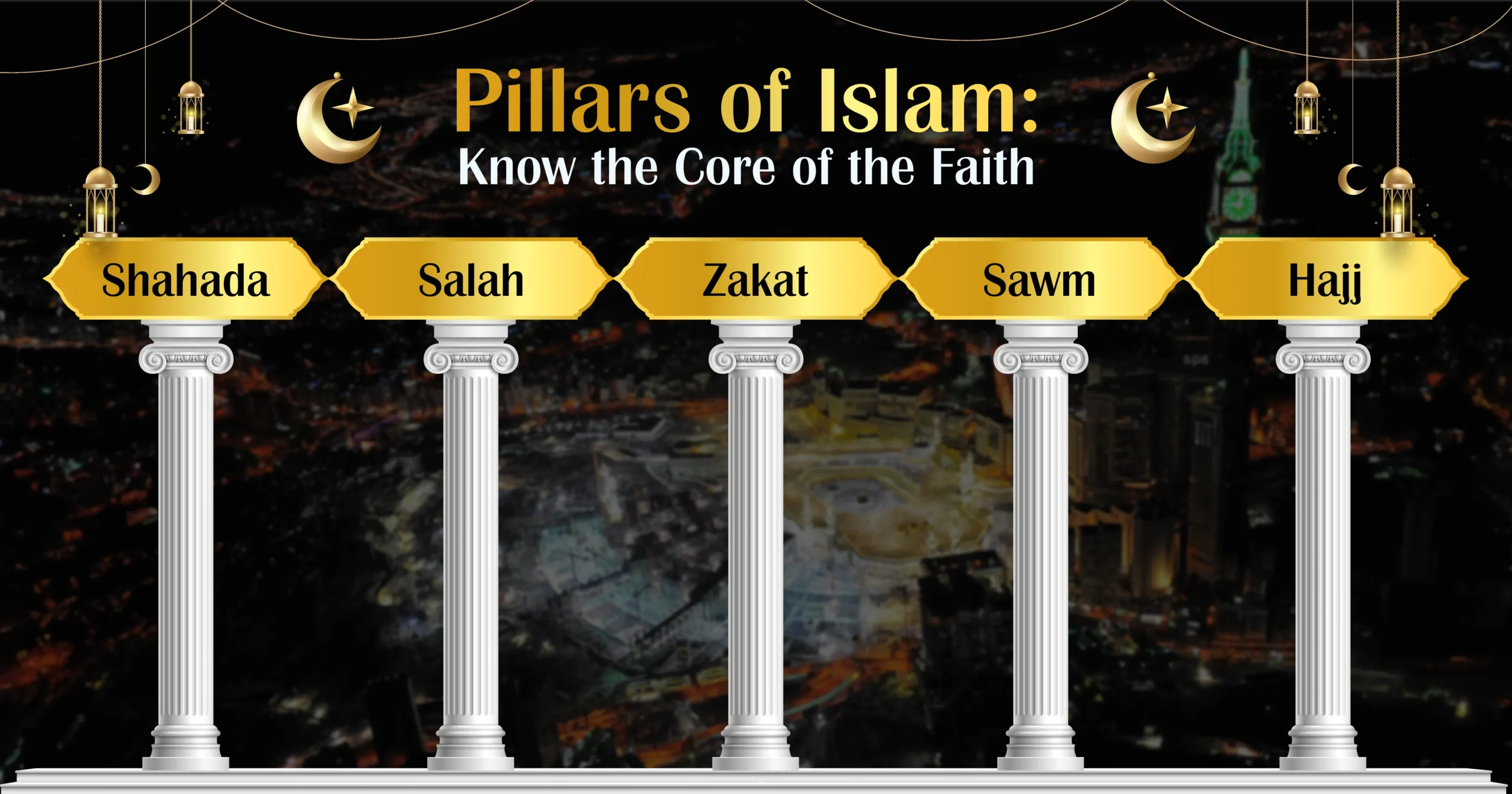
Unlike Hajj, Umrah is voluntary and can be performed at any time throughout the year, though many Muslims choose to perform it during Ramadan for its heightened spiritual reward. Umrah involves fewer rituals than Hajj, making it more accessible while still offering profound spiritual significance.
Step-by-Step Umrah Rituals
1. Entering Ihram
Before reaching the designated boundary (Miqat), pilgrims enter Ihram — a state of spiritual purity — by performing Ghusl (ritual bath), wearing simple garments, and making the intention (Niyyah) for Umrah.
2. Tawaf
Upon arriving at the Kaaba, pilgrims perform Tawaf, circling it seven times counterclockwise while reciting supplications, beginning and ending each circuit at the Black Stone corner.
3. Sa'i
Pilgrims then walk or jog seven times between the hills of Safa and Marwah, commemorating Hajar's search for water, a powerful reminder of trust in Allah during moments of hardship.
4. Halq or Taqsir
Umrah concludes with men either shaving their heads (Halq) or trimming their hair (Taqsir), while women trim a small portion of their hair, symbolizing completion of the pilgrimage state and release from Ihram.
Practical Tips for First-Time Pilgrims
Learn the supplications beforehand: Knowing what to recite during Tawaf and Sa'i, even basic phrases, deepens focus and reduces anxiety about "doing it right."
Wear comfortable footwear: Umrah involves considerable walking, especially during Tawaf and Sa'i.
Stay hydrated: Mecca's climate is often hot, and pilgrims should drink water regularly, particularly Zamzam water available throughout the Haram.
Manage crowds patiently: Tawaf areas can become crowded, especially during peak seasons; patience and calm movement help avoid unnecessary stress.
Plan around prayer times: Umrah rituals often pause naturally around the five daily prayers performed in congregation at the Haram.
Umrah Considerations for Women
Women should be aware that certain rituals, like Tawaf, are affected by menstruation according to most scholarly opinions, and understanding these rulings beforehand helps avoid confusion or distress during the journey. Comfortable, modest clothing suited to extensive walking and Mecca's climate is also worth planning in advance.
The Spiritual Purpose Behind Each Ritual
Understanding why each ritual is performed — not just how — transforms Umrah from a checklist into a genuinely reflective spiritual journey. Tawaf represents devotion and unity; Sa'i represents trust in Allah during hardship; Ihram represents humility and equality before Allah, regardless of wealth or status.
Prepare for a Meaningful Umrah Journey
Understanding Umrah's rituals and their significance beforehand allows pilgrims to focus fully on reflection and worship during their journey. Alhamd Academy's Islamic Studies program helps students prepare thoroughly before undertaking this meaningful pilgrimage.
FAQs
Can Umrah be performed at any time of year?
Yes, unlike Hajj, Umrah can be performed at any time throughout the year, though performing it during Ramadan carries especially high spiritual reward according to Hadith.
How long does Umrah typically take to complete?
The core rituals of Umrah can be completed within a few hours, though pilgrims often extend their stay in Mecca for additional worship and reflection.
What should women know before performing Umrah?
Women should understand how menstruation affects specific rituals like Tawaf and plan comfortable, modest clothing suited for extensive walking in Mecca's climate.
Umrah offers a profound, accessible spiritual journey available throughout the year. With proper preparation and understanding of each ritual's meaning, first-time pilgrims can approach this experience with confidence and genuine spiritual focus.