What New Muslim Women Should Know About Islam

Embracing Islam is a beautiful, life-changing step — and it's completely normal to feel unsure where to begin. This guide offers a gentle, practical starting point specifically for new Muslim women navigating their first months in the faith.
At Alhamd Academy, teachers work patiently with new Muslim women, many of whom appreciate learning from female instructors as they build foundational knowledge.
You Don't Need to Know Everything at Once
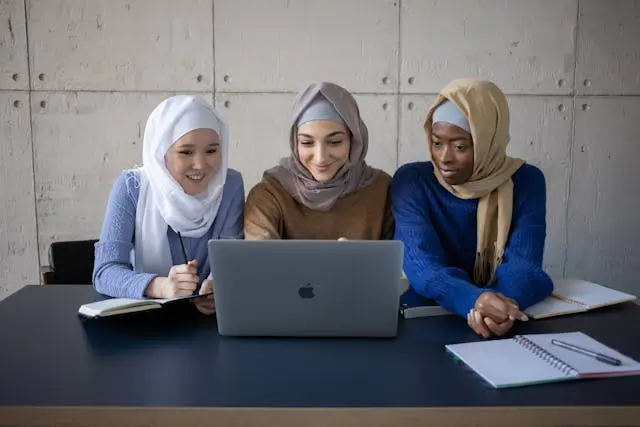
One of the most important things a new Muslim woman can hear: Islam is a lifelong journey, not something you must master immediately. Prophet Muhammad's ﷺ companions themselves learned gradually, and gentle, patient progress is entirely normal and expected.
Core Beliefs to Understand First
Tawheed: the belief in Allah's absolute oneness, with no partners or equals — the foundation of Islamic faith.
The Six Pillars of Iman: belief in Allah, His angels, His books, His messengers, the Day of Judgment, and Divine Decree.
The Five Pillars of Islam: the declaration of faith (Shahada), prayer (Salah), charity (Zakat), fasting (Sawm), and pilgrimage (Hajj).
Practical First Steps
1. Learn Wudu and Basic Salah
Start by learning to perform ablution correctly and memorizing Surah Al-Fatiha, the minimum requirement for valid prayer, before gradually adding more surahs and refining your recitation.
2. Find a Female Teacher or Mentor
Many new Muslim women feel most comfortable learning from and asking questions to female teachers or established Muslim women in their community, particularly regarding modesty, Hijab, and women-specific rulings.
3. Learn Basic Arabic Phrases
Start with commonly used phrases — Bismillah, Alhamdulillah, As-salamu alaykum — building familiarity gradually rather than attempting full Arabic fluency immediately.
4. Understand Hijab and Modesty Guidelines
Many new Muslim women have questions about Hijab and modest dress; these can be discussed gradually with a knowledgeable teacher, understanding both the spiritual reasoning and practical implementation.
Common Questions New Muslim Women Have
"What if my family doesn't understand my new faith?"
This is an extremely common experience. Building patience, maintaining respectful family relationships where possible, and connecting with supportive Muslim community can help navigate this transition.
"How do I handle prayer during my monthly cycle?"
Islamic rulings excuse women from Salah and fasting during menstruation, with specific guidance for resuming worship afterward — a knowledgeable teacher can explain this clearly and without embarrassment.
"Do I need to change my name?"
No, changing your name is not required upon accepting Islam, though some women choose to adopt an Islamic name as a personal, meaningful choice.
Building Your Islamic Knowledge Gradually
Focus on one topic area at a time rather than trying to learn everything simultaneously.
Connect with a supportive Muslim community, whether locally or online, for encouragement and belonging.
Be patient and compassionate with yourself — spiritual growth happens gradually, not overnight.
Seek knowledge from qualified teachers rather than relying solely on unverified online sources.
Start Your Islamic Learning Journey with Support
New Muslim women deserve patient, knowledgeable guidance as they build their foundation in faith. Alhamd Academy's Islamic Studies program offers female teacher options and a welcoming, judgment-free learning environment.
FAQs
How quickly should I learn to pray after becoming Muslim?
Begin learning Salah as soon as possible, starting with Wudu and Surah Al-Fatiha, while understanding that building full confidence and knowledge takes time and patient practice.
Is it normal to feel overwhelmed as a new Muslim?
Yes, completely normal — many new Muslims describe feeling overwhelmed initially, which typically eases with gradual learning, community support, and patient self-compassion.
Where can I find a supportive teacher as a new Muslim woman?
Look for academies offering female teachers experienced specifically with new Muslims, who can answer questions patiently without judgment.
Becoming Muslim is the beginning of a beautiful, lifelong journey — one that unfolds gradually, with patience, community support, and knowledgeable guidance. Every question you have is valid, and every small step forward matters.