How to Perform Wudu (Ablution): A Simple Guide

Wudu (ablution) is a prerequisite for valid Salah, yet many Muslims — especially new converts and young children — learn it inconsistently, picking up habits without ever confirming they're correct. This guide walks through Wudu clearly, step by step.
At Alhamd Academy, Islamic Studies teachers help students of all ages, including mothers teaching their children, build correct Wudu habits from the very beginning.
What Is Wudu, and Why Does It Matter?
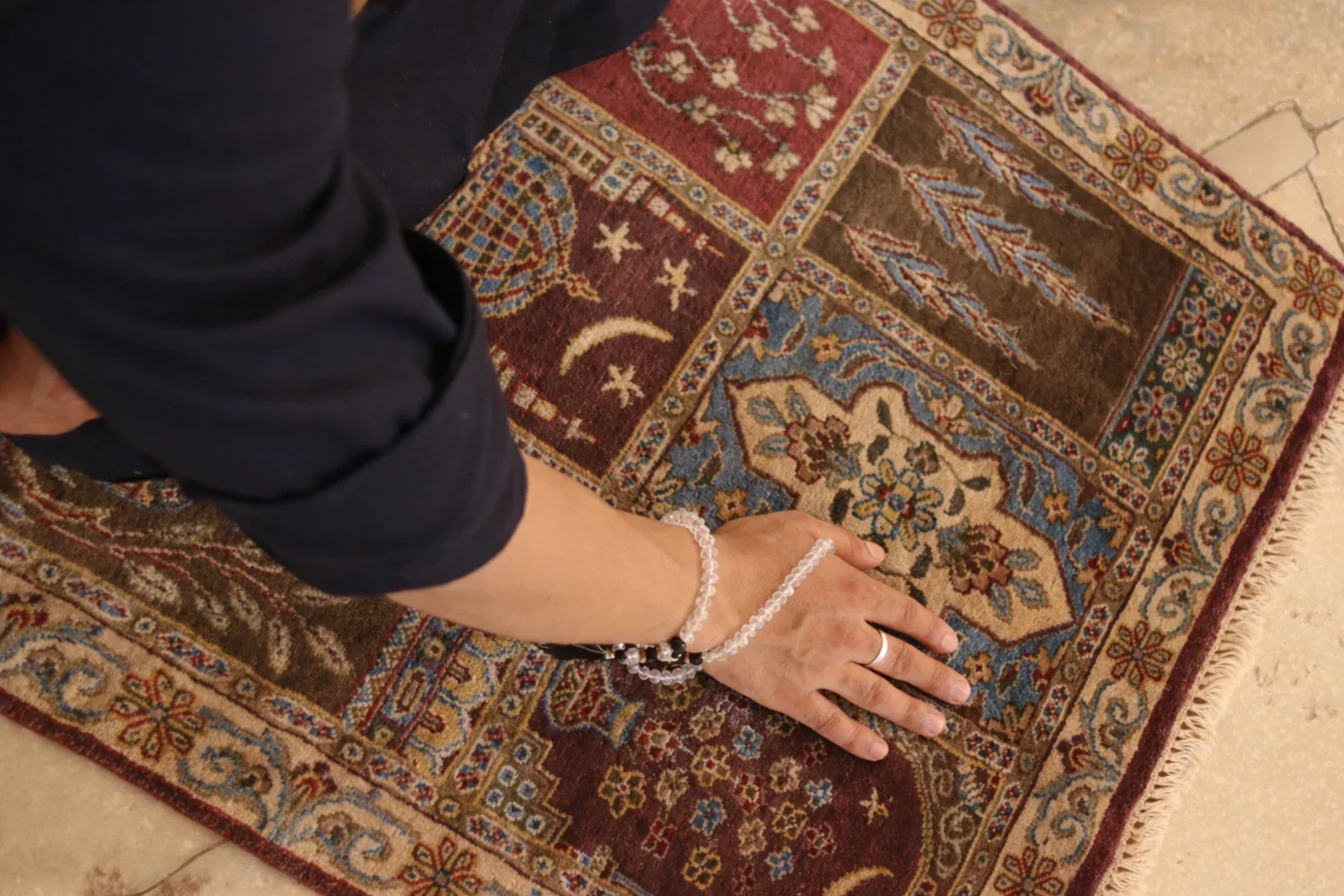
Wudu is the ritual purification Muslims perform before Salah, involving washing specific body parts in a prescribed order and manner. Without valid Wudu, Salah is not considered complete, making correct performance essential religious knowledge for every practicing Muslim.
Step-by-Step Wudu
Make the intention (Niyyah): Silently intend in your heart to perform Wudu for the purpose of prayer.
Say Bismillah: Begin by saying "In the name of Allah."
Wash the hands: Wash both hands up to the wrists three times, ensuring water reaches between the fingers.
Rinse the mouth: Take water into the mouth and rinse thoroughly three times.
Rinse the nose: Sniff water gently into the nostrils and expel it, repeated three times.
Wash the face: Wash the entire face from the hairline to the chin, and ear to ear, three times.
Wash the arms: Wash both arms from the fingertips to the elbows three times, starting with the right arm.
Wipe the head: Wipe the entire head once with wet hands, moving from front to back and back to front.
Wipe the ears: Wipe the inside and outside of both ears once with wet fingers.
Wash the feet: Wash both feet up to the ankles three times, starting with the right foot, ensuring water reaches between the toes.
What Breaks Wudu
Using the bathroom (urination, defecation, or passing gas).
Deep sleep that removes awareness.
Loss of consciousness, including fainting.
Direct skin-to-skin contact between spouses, according to some scholarly opinions (rulings vary between schools of thought).
Bleeding that flows, according to some scholarly opinions.
Common Mistakes in Wudu
Rushing through the steps without ensuring water reaches every required area, especially between fingers and toes.
Forgetting the order of the steps, which some schools of thought consider important for validity.
Skipping the intention or performing Wudu absentmindedly without conscious purpose.
Not wiping the ears and head correctly, often rushed or skipped entirely by beginners.
Teaching Wudu to Children
Children learn Wudu best through demonstration and repeated practice alongside a parent, rather than only verbal instruction. Making it a shared daily routine — performing Wudu together before Salah — builds correct habits naturally while reinforcing the connection between purification and prayer from an early age.
Tips for Building Consistent Wudu Habits
Practice slowly at first, focusing on completing each step correctly rather than speed.
Perform Wudu in a calm, unhurried manner, treating it as preparation for worship rather than a rushed formality.
Ask a knowledgeable teacher to observe and correct your technique if you're unsure about any step.
Teach children through hands-on demonstration, doing Wudu together rather than only explaining verbally.
Learn Wudu and Salah Correctly with Guided Instruction
Correct Wudu forms the foundation for valid Salah, and it's best learned through guided practice rather than assumptions. Alhamd Academy's Islamic Studies program teaches Wudu and Salah fundamentals clearly for learners of every age.
FAQs
Is the order of Wudu steps important?
Most scholars, particularly in the Shafi'i school, consider maintaining the correct order important for validity, though views vary slightly between schools of thought.
Does touching my spouse break my Wudu?
Scholarly opinions differ on this — some schools hold that direct skin contact breaks Wudu while others do not; consulting your specific school of thought's ruling is recommended.
At what age should I start teaching my child Wudu?
Many parents begin introducing Wudu around age five or six, using simple demonstration and gradually building independence as the child matures.
Wudu is a beautiful, simple act of purification that prepares both body and heart for prayer. With correct practice and consistent habit-building, it becomes a natural, meaningful part of daily worship for the whole family.