Basic Islamic knowledge for toddlers | Alhamd Academy
Islamic Knowledge for Toddlers begins with gentle, loving exposure to faith through daily routines, simple words, and familiar experiences. At this age, children learn best through repetition, stories, and observation, so parents can introduce Allah, the Prophet Muhammad (PBUH), prayer, Quran listening, and good manners in warm, age-appropriate ways naturally.
With patience and consistency, Islamic Knowledge for Toddlers can become part of everyday life without pressure or confusion. Parents and teachers may use short phrases, positive examples, songs, and stories to help children feel safe, loved, and curious while building early connections to worship, gratitude, kindness, and remembrance of Allah.
Basic Islamic knowledge for kids
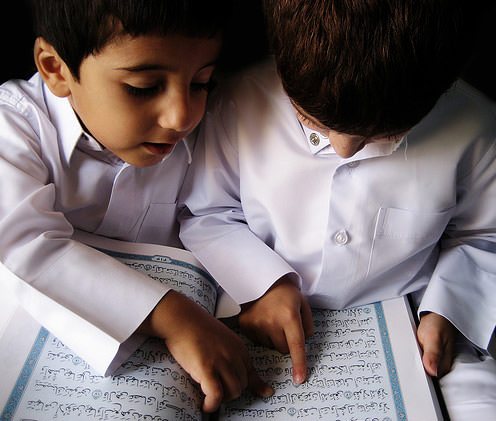
The earliest lessons should focus on simple concepts children can understand through repetition, observation, and loving guidance during everyday family routines.
Introducing Allah (God)
Toddlers can begin learning about Allah through the world around them. Parents may point to the sky, animals, plants, rain, or family love and explain that Allah created these blessings.
The simple message: “Allah made everything”
The simple message “Allah made everything” helps children understand creation in a way they can easily remember. Islamic Knowledge for Toddlers becomes more meaningful when parents connect faith with nature, daily experiences, and simple conversations that show Allah’s blessings and encourage curiosity, gratitude, and love from an early age.
Introducing the Prophet Muhammad PBUH
Young children can learn that Prophet Muhammad (PBUH) was Allah's Messenger and a beloved role model for Muslims. Simple stories can introduce his kindness, honesty, patience, and care for others.
The role model: “Prophet Muhammad taught us”
The role model “Prophet Muhammad taught us” introduces children to his kindness, honesty, patience, and care for others. Through stories and daily examples, toddlers can learn the importance of good manners, helping people, speaking kindly, and showing compassion. These lessons help children understand his character in a memorable way.
Basic Islamic phrases (the building blocks)
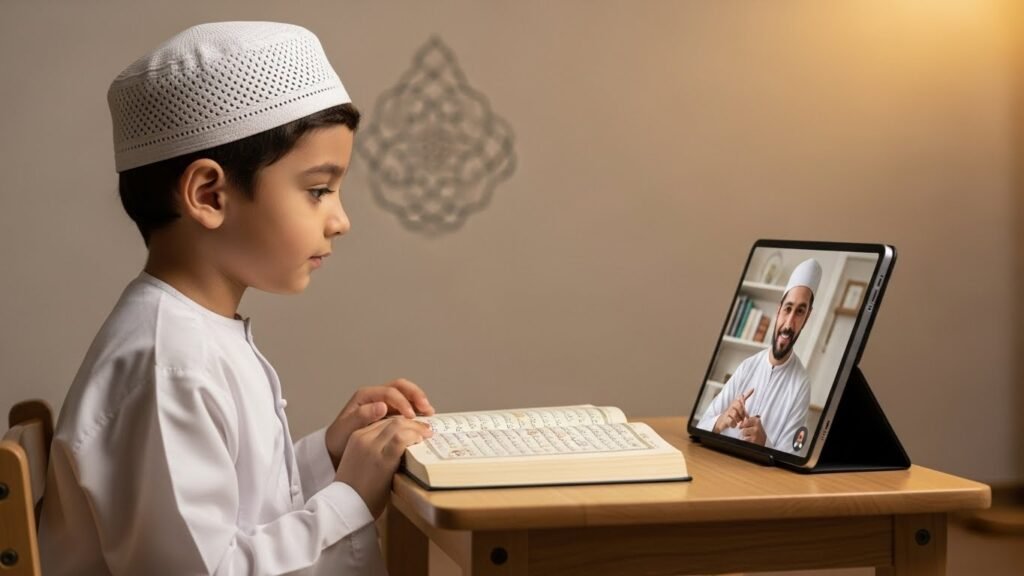
Simple phrases can become familiar through repetition during everyday situations. Islamic Knowledge for Toddlers includes teaching these expressions gradually, allowing children to hear them at home before they fully understand their meanings. These phrases help toddlers connect faith with daily routines, gratitude, and respectful communication.
Bismillah (in the name of God)
Parents can say “Bismillah” before eating, beginning an activity, or starting a journey. Toddlers may gradually learn to repeat the phrase through routine and imitation. The goal is to build familiarity naturally while connecting the expression with beginning activities thoughtfully and remembering Allah.
Alhamdulillah (praise be to God)
Alhamdulillah can be introduced when expressing gratitude after eating, receiving something, or experiencing a blessing. Parents can explain that the phrase means thanking and praising Allah. Repeated use in suitable situations helps children connect the expression with gratitude rather than simply memorizing unfamiliar words.
Masha'Allah (God has willed it)
Masha'Allah may be introduced when admiring something good or beautiful. Parents can use simple examples, such as seeing a new baby, a lovely drawing, or a positive achievement. Toddlers can gradually learn that the phrase expresses appreciation while recognizing Allah's will and blessings.
Insha'Allah (if God wills)
Insha'Allah can be explained when discussing something that may happen in the future. Parents might say they will visit someone or do an activity, Insha'Allah. This introduces children to the idea of hoping for future events while remembering that everything ultimately happens according to Allah's will.
Assalamu Alaykum (peace be upon you)
Assalamu Alaykum can become part of a toddler's daily greeting routine. Parents can model the greeting when entering a room or meeting family members. Children may learn the words gradually and understand that Islamic greetings express peace, kindness, and respect toward others.
Introducing prayer (Salat)
Toddlers can learn about prayer by watching parents perform Salat and joining simple moments with encouragement. Islamic Knowledge for Toddlers should introduce worship gently, helping children understand that Muslims pray to Allah while building positive feelings toward prayer through observation and family routines.
Prayer lessons for young children should focus on familiarity rather than strict expectations. Parents can explain basic movements and meanings gradually, allowing toddlers to develop respect, curiosity, and love for Salat without pressure or making the learning experience overwhelming.
Learning the Quran
Learning the Quran can begin during early childhood through gentle listening, repetition, and positive experiences. Islamic Knowledge for Toddlers includes helping children become familiar with Arabic sounds, short verses, and Quran recitation gradually. Parents should create a calm environment that encourages curiosity, love, and appreciation for the Quran.
Simple surahs
Short Surahs can be introduced gradually through listening and repetition. Parents may choose brief passages and repeat them consistently during suitable routines. Children may remember words or sounds before understanding every meaning, creating an early foundation for future Quran learning.
Soft recitation
Gentle recitation can help make Quran listening a peaceful part of a child's routine. Parents should choose clear, appropriate recordings and avoid turning listening into a stressful obligation. A calm voice and regular exposure can help children become comfortable with the sound and rhythm of Quranic recitation.
Tactile learning
Some toddlers learn best when learning includes movement and touch. Parents can use letter cards, safe educational materials, picture-based activities, and simple matching games to support Quran learning. These activities can help children remain engaged while gradually becoming familiar with Arabic letters and basic concepts.
Character building: simple Islamic ethics
Toddlers can learn Islamic values through daily actions, family examples, and gentle guidance. Islamic Knowledge for Toddlers helps children understand honesty, kindness, patience, sharing, and respect by connecting good behavior with faith. Through consistent encouragement and positive interactions, children gradually develop character and learn how Islamic manners appear in life.
FAQ
When should toddlers begin learning basic Islamic concepts?
Toddlers can begin through simple words, stories, routines, and observation. Early learning should remain gentle, positive, age-appropriate, and free from unnecessary pressure.
What should toddlers learn first about Islam?
Parents can begin with Allah's creation, the Prophet Muhammad's kindness, simple Islamic phrases, good manners, and positive familiarity with prayer and Quran listening.
How can parents introduce Islamic Knowledge for Toddlers at home?
Parents can use stories, routines, Quran listening, and positive examples. Gentle guidance helps children develop faith, manners, and values naturally through enjoyable early learning experiences.
Introducing faith through simple routines, stories, phrases, worship, Quran exposure, and good character can make early learning meaningful. With patience and loving guidance, Islamic Knowledge for Toddlers becomes a gentle foundation for continued faith, learning, and positive character development as children grow.