Story of Prophet Muhammad: His Life, Mission, and Lessons from the Seerah
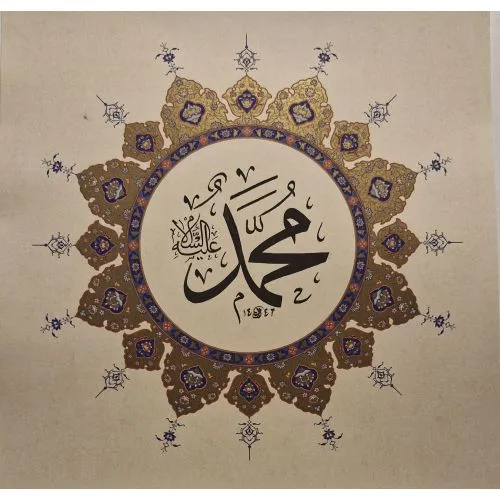
The story of prophet Muhammad is one of the most important stories in Islamic history, showing how the final Messenger of Allah lived with honesty, patience, mercy, courage, and devotion. His life provides Muslims with practical examples of faith and guidance while explaining how the message of Islam reached humanity.
Learning the story of prophet Muhammad helps Muslims understand the Seerah and appreciate the character of the final Prophet, from his early years in Makkah through his prophetic mission and life in Madinah. For families seeking structured Islamic education, Alhamd Academy offers opportunities to study Quranic and Islamic subjects online.
Story of Prophet Muhammad in Islam
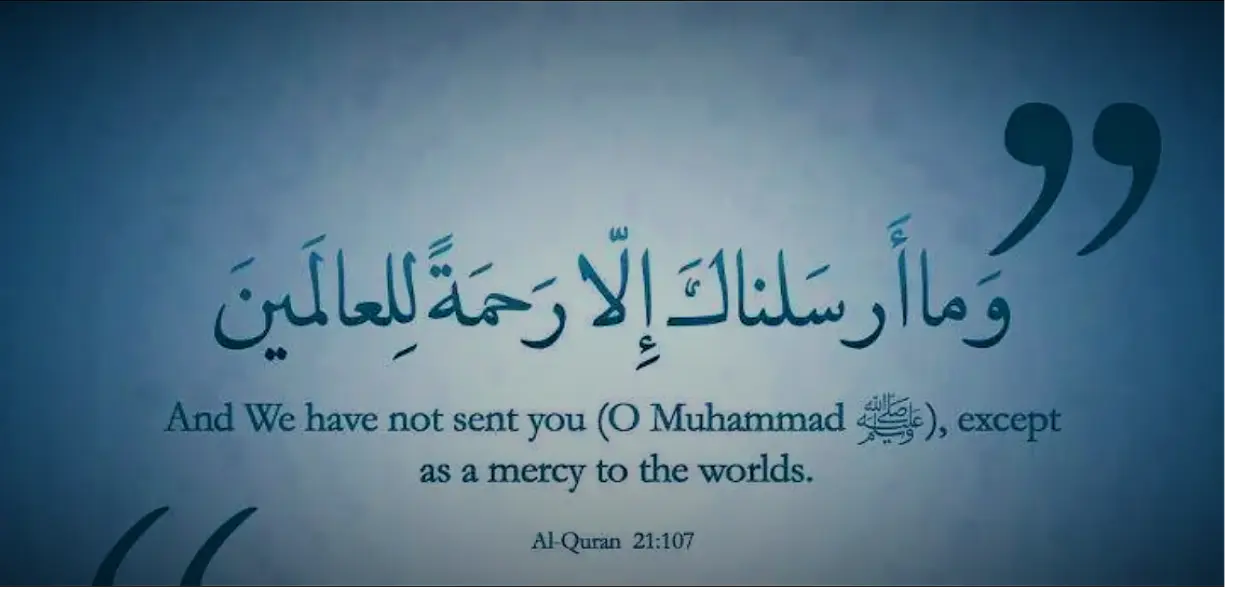
The story of prophet Muhammad begins in Makkah, where Muhammad was born and later became known for his honesty and trustworthy character. Before receiving revelation, he was respected among his people for his integrity, which became an important part of his character throughout his prophetic mission.
His life, known as the Seerah, covers several major stages, including his childhood, adulthood, first revelation, years of preaching in Makkah, migration to Madinah, and leadership of the growing Muslim community. Studying these stages helps learners understand both Islamic history and the practical meaning of faith.
The Early Life of Prophet Muhammad
Prophet Muhammad was born in Makkah and experienced significant loss during his childhood. His father died before his birth, and his mother passed away when he was still young. He was subsequently cared for by his grandfather and then his uncle, Abu Talib, who supported him during his early years.
As he grew older, Muhammad became known for admirable qualities, especially honesty and trustworthiness. His reputation among the people of Makkah prepared an important foundation for understanding his later mission. His life before prophethood demonstrates that strong character was central to his identity even before revelation.
The First Revelation and Beginning of Prophethood
A major turning point in the story of prophet Muhammad occurred when he received the first revelation through Angel Jibreel in the Cave of Hira. The opening revelation marked the beginning of his prophetic mission and introduced the command to convey Allah’s message to humanity.
After receiving revelation, Prophet Muhammad began calling people to worship Allah alone and abandon idolatry. Khadijah (RA) was among the earliest believers, and other close companions gradually accepted Islam. The message emphasized monotheism, accountability, righteous conduct, and devotion to Allah.
The Prophet’s Mission in Makkah
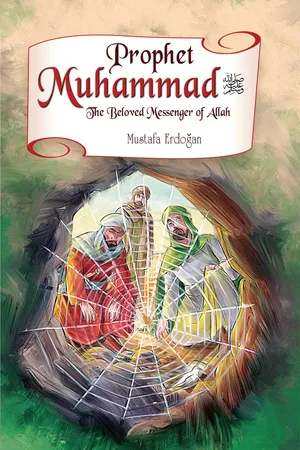
The Makkan period was marked by strong opposition from those who rejected the Prophet’s message. Early Muslims faced considerable pressure and hardship, yet Prophet Muhammad continued conveying Islam with patience and determination. His response to opposition demonstrated perseverance and complete trust in Allah.
During these years, the Muslim community gradually developed despite persecution and social pressure. The Prophet taught believers to remain patient, worship Allah, support one another, and maintain good character. His Makkan mission shows that meaningful change can require endurance when people face difficult circumstances.
The Hijrah to Madinah
The story of prophet Muhammad reached another significant stage with the Hijrah, the migration from Makkah to Madinah. This journey became a defining event in Islamic history because it marked the establishment of a new Muslim community where believers could practice their faith with greater security.
In Madinah, Prophet Muhammad helped build a community based on faith, cooperation, justice, and mutual responsibility. He guided Muslims in worship and social affairs while establishing relationships among different groups. The Madinan period therefore demonstrates how Islamic principles could shape both personal behavior and community life.
The Prophet Muhammad’s Character and Mercy
One of the most important aspects of the Prophet’s life was his exceptional character. He demonstrated honesty, patience, generosity, humility, compassion, and forgiveness in his interactions with people. His conduct provides Muslims with a practical example of how Islamic teachings can influence everyday relationships.
The story of prophet Muhammad is therefore not only a sequence of historical events. It is also a study of character and conduct. Muslims can learn from how the Prophet treated family members, companions, neighbors, vulnerable people, and even those who strongly opposed his message.
The Conquest of Makkah and Forgiveness
The Conquest of Makkah was a major event in the later part of the Prophet’s mission. When Makkah came under Muslim control, Prophet Muhammad demonstrated remarkable restraint and forgiveness rather than using victory as an opportunity for personal revenge.
This event offers an important lesson about leadership. True strength does not depend only on power or victory; it can also appear through mercy, self-control, and forgiveness. The Prophet’s conduct during this period provides a valuable example for Muslims studying Islamic ethics and responsible leadership.
The Farewell Pilgrimage and Final Teachings
Near the end of his life, Prophet Muhammad performed his final pilgrimage and delivered important guidance to the Muslim community. His final public teachings emphasized principles including justice, responsibility, respect for others, and adherence to the guidance of Allah.
The final period of his life reminds Muslims that the Prophet’s mission was centered on conveying Allah’s message and guiding people toward righteousness. Studying these teachings helps learners connect the historical events of the Seerah with the values and responsibilities expected from Muslims.
Lessons from the Life of Prophet Muhammad
The story of prophet Muhammad teaches timeless lessons about faith, patience, mercy, leadership, character, family relationships, and responsibility, helping Muslims apply Islamic values in everyday life.
Honesty builds trust: The Prophet’s reputation for truthfulness shows the importance of integrity in relationships and responsibilities.
Patience strengthens faith: His response to hardship demonstrates the value of remaining patient while trusting Allah.
Mercy reflects Islamic character: Compassion and forgiveness were important qualities throughout his life.
Faith requires action: His mission shows that belief should influence behavior, responsibility, and service to others.
Good character matters: The Prophet’s conduct provides Muslims with an example to follow in everyday life.
FAQs
Who was Prophet Muhammad in Islam?
Prophet Muhammad was the final Messenger of Allah. His life exemplifies faith, worship, honesty, patience, mercy, and excellent character.
What is the Seerah of Prophet Muhammad?
The Seerah is the biography of Prophet Muhammad, covering his early life, revelation, mission in Makkah, migration to Madinah, and leadership.
Why is the story of prophet Muhammad important?
It provides practical examples of Islamic teachings, helping Muslims understand faith, worship, patience, mercy, character, and responsibility.
The story of prophet Muhammad offers timeless lessons about faith, patience, mercy, honesty, and responsibility. Studying his Seerah helps Muslims understand Islamic history, strengthen their faith, develop excellent character, and apply the Prophet’s teachings meaningfully in their everyday lives and relationships.
Read more:
Stories of the Prophets in the Quran: Complete Guide for Families 2026
The Story of Dhul Qarnayn: Timeless Lessons for Muslim Youth