Islamic Studies Curriculum for Kids: Complete Age-By-Age Guide (2026)
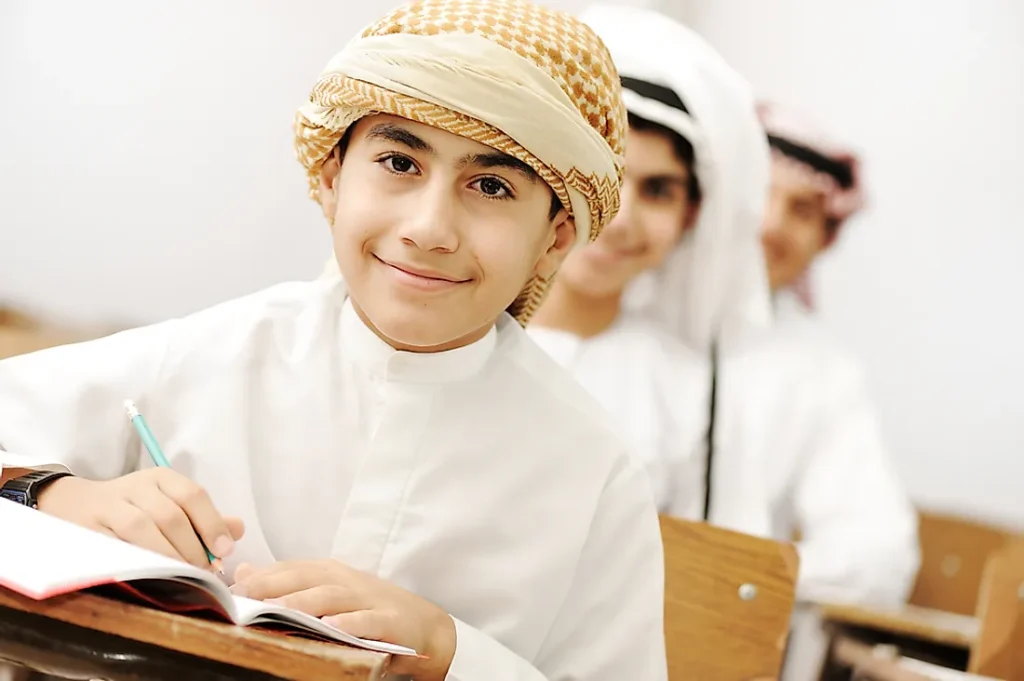
Islamic studies curriculum for kids plays an important role in helping Muslim children build a strong connection with their faith from an early age. A well-designed curriculum introduces children to Quran, Islamic values, Seerah, and basic beliefs through lessons that match their age and learning abilities.
For families living in Western countries, choosing the right Islamic studies curriculum for kids can be challenging. Parents need structured learning, qualified teachers, and engaging methods that support their children’s religious growth. At Alhamd Academy, students benefit from organized Islamic studies classes for kids designed to make learning meaningful and accessible.
What Is an Islamic Studies Curriculum for Kids and Why Is It Important?
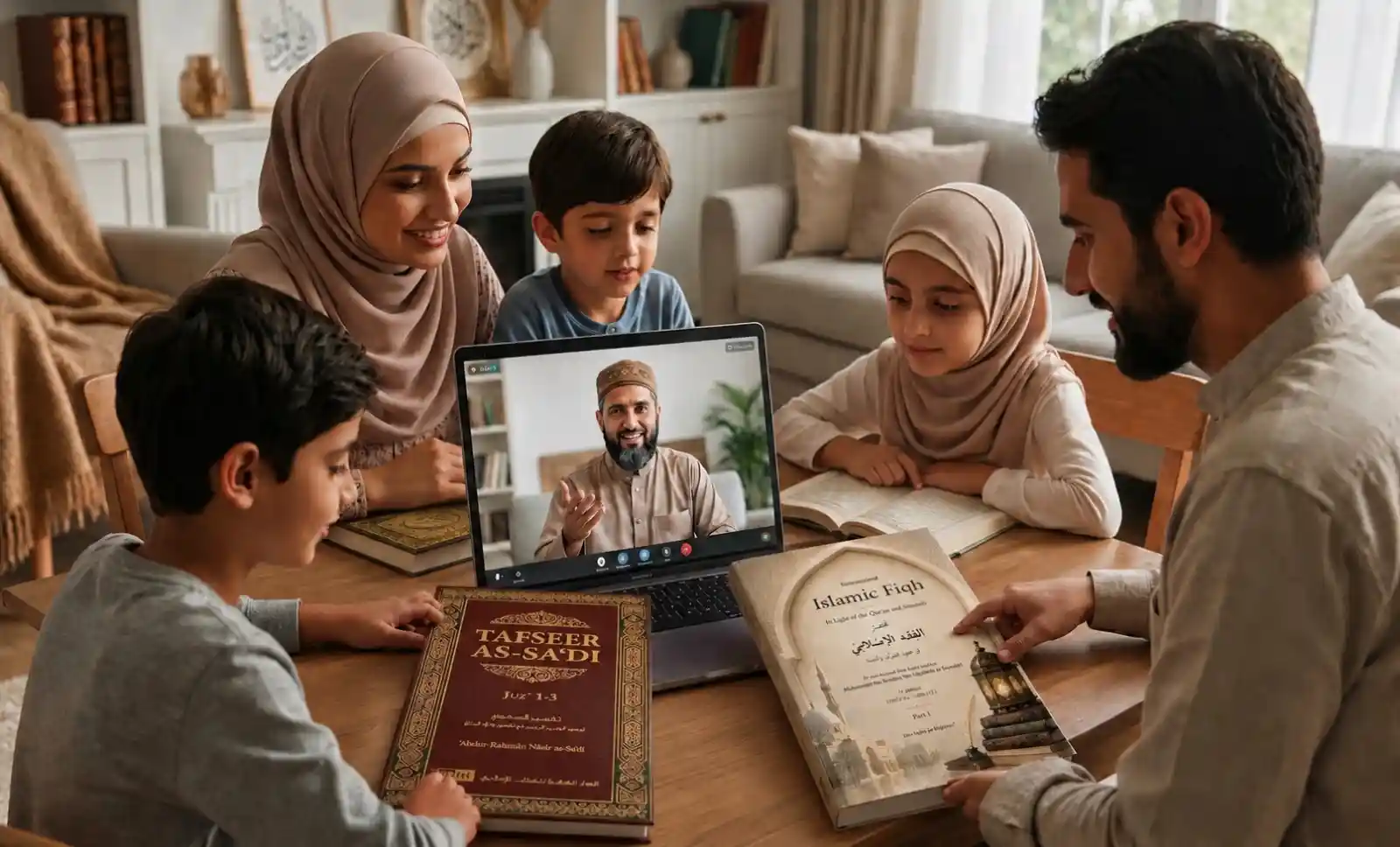
An Islamic studies curriculum is a structured learning plan that teaches children essential Islamic knowledge, including Quran understanding, Aqeedah, Islamic manners, Seerah, and daily practices. It helps young learners develop a strong foundation while connecting religious teachings to their everyday lives.
For Muslim families in non-Muslim environments, Islamic education for kids provides a valuable opportunity to strengthen identity and faith. A suitable curriculum allows children to learn about Islam in a supportive environment while developing confidence in their beliefs and values.
A complete program does not focus only on memorizing information. It encourages children to understand Islamic principles, practice good character, and build a meaningful relationship with Allah through age-appropriate lessons and activities.
Core Pillars of a Complete Islamic Curriculum for Children
A complete Islamic studies curriculum for kids should include essential areas that support children’s religious knowledge, character development, and understanding of Islamic values. The main pillars include:
Quran learning: Helps children improve recitation, understand basic meanings, and build a strong connection with the Quran.
Aqeedah (Islamic beliefs): Introduces children to fundamental beliefs and helps them develop a clear understanding of faith.
Seerah of Prophet Muhammad (PBUH): Teaches valuable lessons from the Prophet’s life and encourages good character.
Islamic manners and values: Develops qualities such as honesty, kindness, respect, and responsibility in daily life.
Hadith and practical teachings: Helps children learn authentic guidance and apply Islamic principles in real situations.
Age-Appropriate Islamic Learning: From Preschool to Teens
Children learn differently depending on their age, which is why an effective curriculum should be designed according to each learning stage. An Islamic studies curriculum for kids should provide suitable lessons for preschool children, elementary students, and older learners based on their abilities.
Elementary-age students can explore Quran lessons, Islamic history, and foundational beliefs in more detail. As children grow older, they can study deeper topics related to worship, character development, and understanding Islamic principles.
Age-based Islamic lessons for kids help students learn comfortably according to their abilities. This approach allows teachers to provide suitable challenges while keeping children engaged, motivated, and interested in their learning journey.
How to Teach Quran, Aqeedah, and Seerah at Home
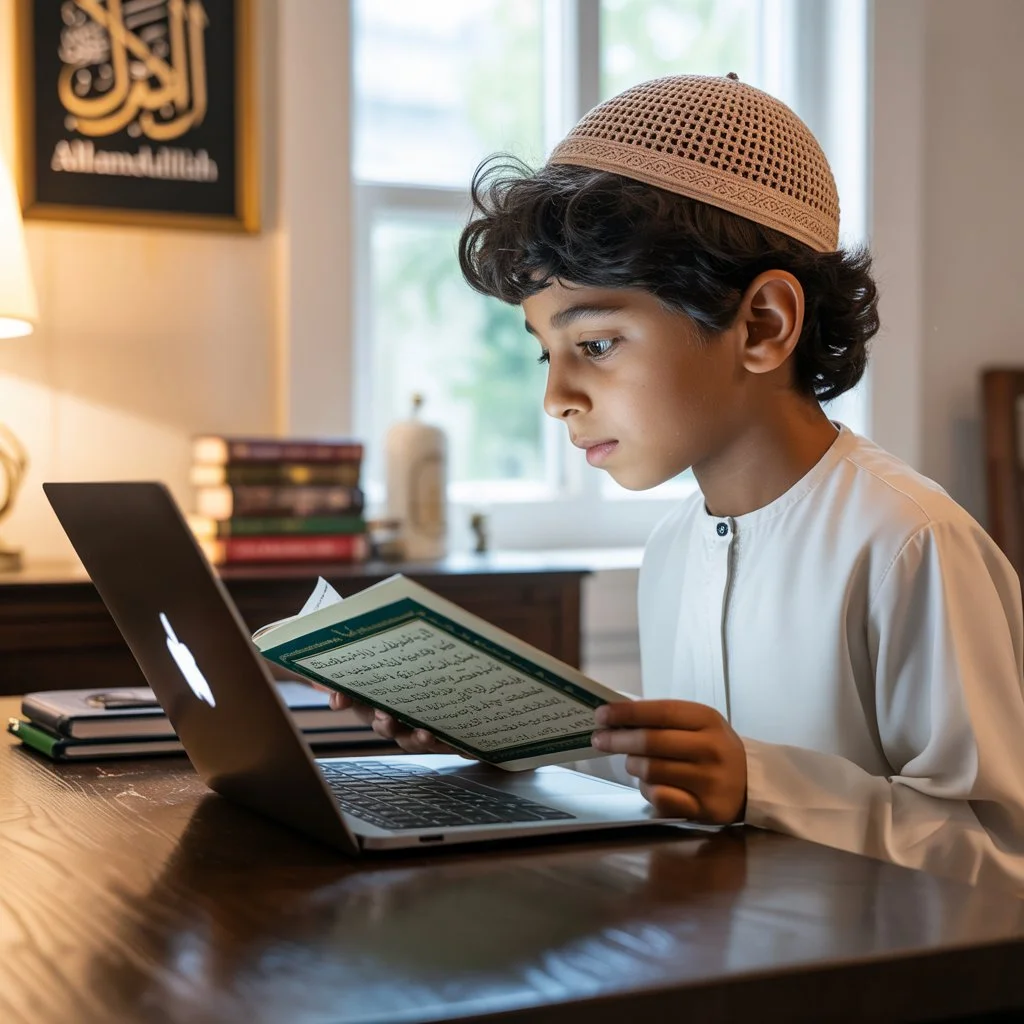
Parents play an important role in supporting Islamic learning at home. Creating a consistent routine for Quran reading, discussing Islamic stories, and practicing good manners can reinforce what children learn through an effective Islamic studies curriculum for kids.
However, many parents may need professional guidance to provide a complete Islamic education. Online Quran and Islamic studies classes can offer structured lessons with qualified instructors who help children learn correctly and confidently.
Combining home support with professional teaching creates a stronger learning experience. Children benefit from regular practice, family encouragement, and expert guidance that helps them progress in their Islamic studies journey.
Islamic Education vs. General Schooling: How to Balance Both
Balancing religious and academic education helps Muslim children succeed in both areas. The table below highlights the main differences between Islamic education and general schooling.
Comparison point
Islamic education
General schooling
Main focus
Teaches Quran, Islamic values, and beliefs.
Focuses on academic subjects and skills.
Purpose
Builds faith, character, and religious understanding.
Develops knowledge and career-related skills.
Learning approach
Includes Islamic manners and spiritual growth.
Follows academic curricula and standards.
Role in child development
Strengthens identity and values.
Supports intellectual and social development.
Online vs. Offline Islamic Classes: Which Is Best for Your Child?
Choosing the right learning method helps children receive effective Islamic education. The Islamic studies curriculum for kids depends on flexibility and quality. The table below compares online and offline classes.
Comparison point
Online Islamic classes
Offline Islamic classes
Flexibility
Flexible schedules that fit family routines.
Fixed times and locations.
Teacher access
Access to qualified teachers worldwide.
Limited to local teachers.
Personal attention
More personalized guidance for students.
Less individual focus in groups.
Convenience
Learn from home without transportation.
Requires travel to classes.
Parent involvement
Easier to monitor progress.
Limited daily visibility.
Key Qualities of Certified Al-Azhar Teachers for Kids
Choosing the right teacher helps children receive accurate and effective Islamic education. Certified Al-Azhar teachers combine knowledge, experience, and child-friendly methods to support students’ learning journey.
Strong Islamic knowledge: They have a solid background in Quran, Hadith, Aqeedah, and Islamic studies.
Quran and Tajweed expertise: They guide children in correct recitation and help improve pronunciation.
Experience with children: They use engaging methods suitable for different ages and learning levels.
Supportive teaching style: They encourage students, build confidence, and create a positive learning environment.
Personalized guidance: They adjust lessons based on each child’s needs and progress.
Enroll in Alhamd Academy’s Islamic Studies Program Today
Alhamd Academy offers a structured Islamic studies curriculum for kids designed to help children learn the Quran, Islamic values, and essential concepts through qualified teachers. With flexible online classes and engaging lessons, the academy supports Muslim families in providing meaningful religious education that encourages consistent learning and spiritual growth worldwide.
FAQs
What should an Islamic studies curriculum for kids include?
A complete curriculum should include Quran studies, Aqeedah, Seerah, Islamic manners, Hadith, and practical lessons that help children understand and apply Islamic teachings.
Are online Islamic classes suitable for young children?
Yes, online classes can be effective for children when they include qualified teachers, interactive lessons, and age-appropriate teaching methods that keep students engaged.
How can parents choose the best Islamic program for their children?
Parents should consider the teacher’s qualifications, curriculum structure, class flexibility, and the program’s ability to meet their child’s learning needs.
A suitable Islamic studies curriculum for kids helps children grow in faith and knowledge through structured lessons and qualified guidance. Alhamd Academy supports families by providing engaging Islamic education that helps young learners develop strong values and a deeper connection with Islam.