A Brief Guide to the Ten Qiraat
Ten Qiraat are the ten canonical readings of the Quran transmitted through recognized chains of recitation. They represent authentic traditions of Quranic recitation preserved by qualified scholars throughout Islamic history.
Understanding the Qira'at helps Muslims appreciate the richness of Quranic recitation and recognize why some authentic pronunciations or word forms may differ between established readings. Alhamd Academy can help students explore these readings alongside Tajweed, Quran recitation, and the history of Quranic transmission.
What is the Qira'at?
The ten Qiraat are established methods of reciting the Quran transmitted through reliable chains of authorities. The ten canonical readings are attributed to renowned reciters, including Nafi', Ibn Kathir, Abu Amr, Ibn Amir, Asim, Hamzah, Al-Kisa'i, Abu Ja'far, Ya'qub, and Khalaf.
Each reading has recognized transmitters and established rules of pronunciation, wording, and recitation. These differences do not mean that different versions of the Quran exist. Rather, the Qira'at represent authentic forms of Quranic recitation preserved through scholarly transmission.
Learning about the ten readings of the Quran can therefore help students understand the relationship between revelation, oral transmission, and the scholarly preservation of Quranic knowledge.
Are they widely known?
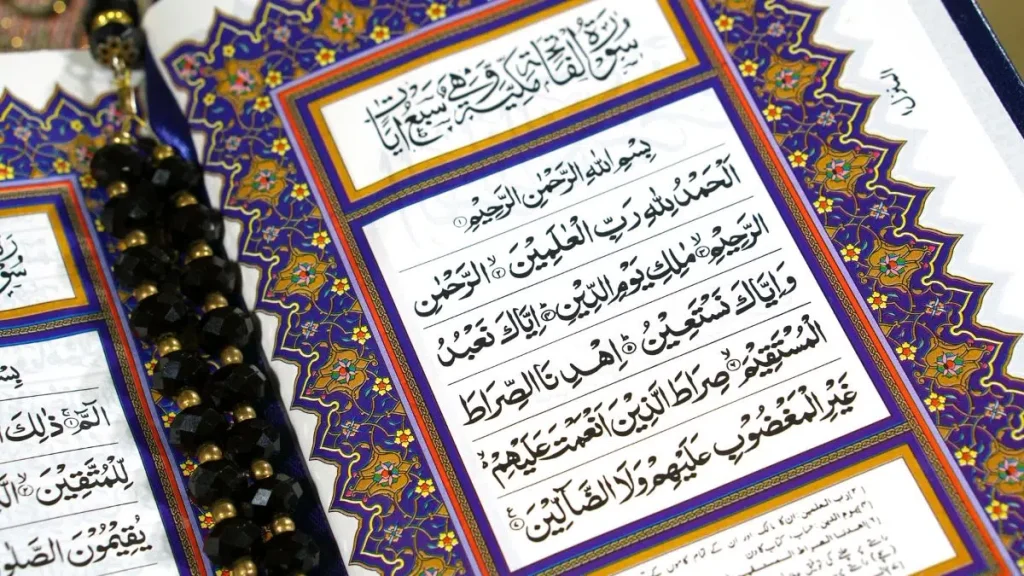
The Qira'at are well known among Quran scholars, Qaris, and students of advanced Islamic sciences, although many Muslims may be more familiar with one particular reading used in their region. Hafs 'an Asim, for example, is widely used in many parts of the Muslim world.
Other canonical readings are also taught by specialists and remain an important part of traditional Quranic education. Their study requires careful instruction because each reading has its own transmission and recitation rules.
For students interested in Quran recitation, studying the Qira'at provides a deeper appreciation for authentic reading traditions and the scholarly efforts that carefully preserved Quranic recitation across generations through reliable chains of transmission.
How do they differ?
The Qira'at can differ in certain aspects of pronunciation, vowel patterns, elongation, grammatical forms, and occasionally the wording of a verse within the boundaries of authentic transmission. These differences are part of the recognized Quranic reading traditions.
They do not represent contradictions in the Quran. Instead, the canonical readings demonstrate the breadth of authentic Quranic recitation transmitted from the Prophet Muhammad ﷺ through reliable chains.
Understanding these differences requires studying each reading from qualified teachers rather than relying on written comparisons alone. Proper guidance helps students distinguish authentic Qira'at from ordinary pronunciation mistakes or unsupported variations.
FAQs
How many canonical Quranic readings are there?
There are ten canonical Qira'at, each transmitted through recognized scholarly chains.
Are the Qira'at different versions of the Quran?
No. The Qira'at are authentic traditions of Quran recitation, not different versions of the Quran.
Why is learning ten qiraat important?
Studying 10 qiraat helps advanced learners understand authentic Quranic readings and appreciate the scholarly tradition of Quranic transmission.
The ten qiraat represent an important part of the Islamic tradition of Quranic recitation. Understanding their origins and differences can help learners appreciate authentic reading traditions and deepen their knowledge of the Quran.
Read more:
The Life of Prophet Muhammad ﷺ: A Brief Biography