Battles of Prophet Muhammad: Key Events and Lessons from Islamic History
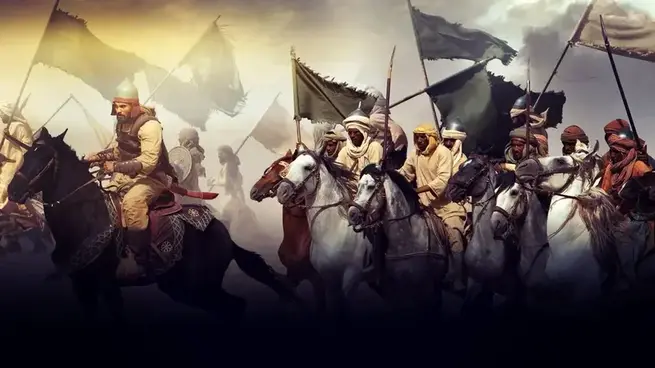
The battles of Prophet Muhammad are important events in early Islamic history that should be understood within their historical and social context. These events occurred during a period of significant change for the early Muslim community and involved different circumstances, including conflict, defense, negotiation, and shifting relationships.
Studying the battles of Prophet Muhammad involves more than memorizing dates and outcomes. Alhamd Academy helps learners explore Islamic history through structured education, encouraging a clearer understanding of the Prophet’s leadership, patience, decision-making, and the challenges faced by the early Muslim community during a significant period of Islamic history.
Understanding the Context: Why Battles Happened
The battles of Prophet Muhammad ﷺ took place during a period of major change for the early Muslim community. After the migration to Madinah, Muslims faced political pressure, security concerns, and opposition from Makkah. Relations with surrounding tribes also varied, making the situation complex.
These conflicts should therefore be understood within their historical circumstances rather than viewed as isolated military events. Some involved direct confrontation, while others developed from wider political tensions and broken agreements.
Studying the background of each event helps readers understand why particular decisions were made and how the Prophet guided the Muslim community through difficult circumstances.
Battle of Badr (624 CE): The First Major Battle
The Battle of Badr took place in 624 CE, near the wells of Badr, southwest of Madinah. It began when the Muslims encountered a larger Makkan force. Despite being significantly outnumbered, the Muslim army achieved victory. The event became a major turning point in the history of the early Muslim community.
Badr carried importance beyond its military outcome. It strengthened the position of the Muslims in Madinah and became an important event in Islamic history. The Quran also refers to the battle, emphasizing Allah’s support and reminding believers that victory ultimately depends on Him rather than numbers or material strength.
Battle of Uhud (625 CE): The Test of Defeat
The Battle of Uhud took place in 625 CE near Mount Uhud, north of Madinah, when a Makkan force returned seeking to reverse the outcome of Badr. The Muslims initially gained an advantage, but the battle later turned against them after some archers left their assigned position.
The battles of Prophet Muhammad include Uhud as an important lesson in discipline and leadership. The Prophet faced the difficult aftermath with patience, while the Quran discusses aspects of the battle and its lessons. Uhud demonstrated that military success requires obedience, discipline, and perseverance even during difficult circumstances.
Battle of the Trench (627 CE): The Siege
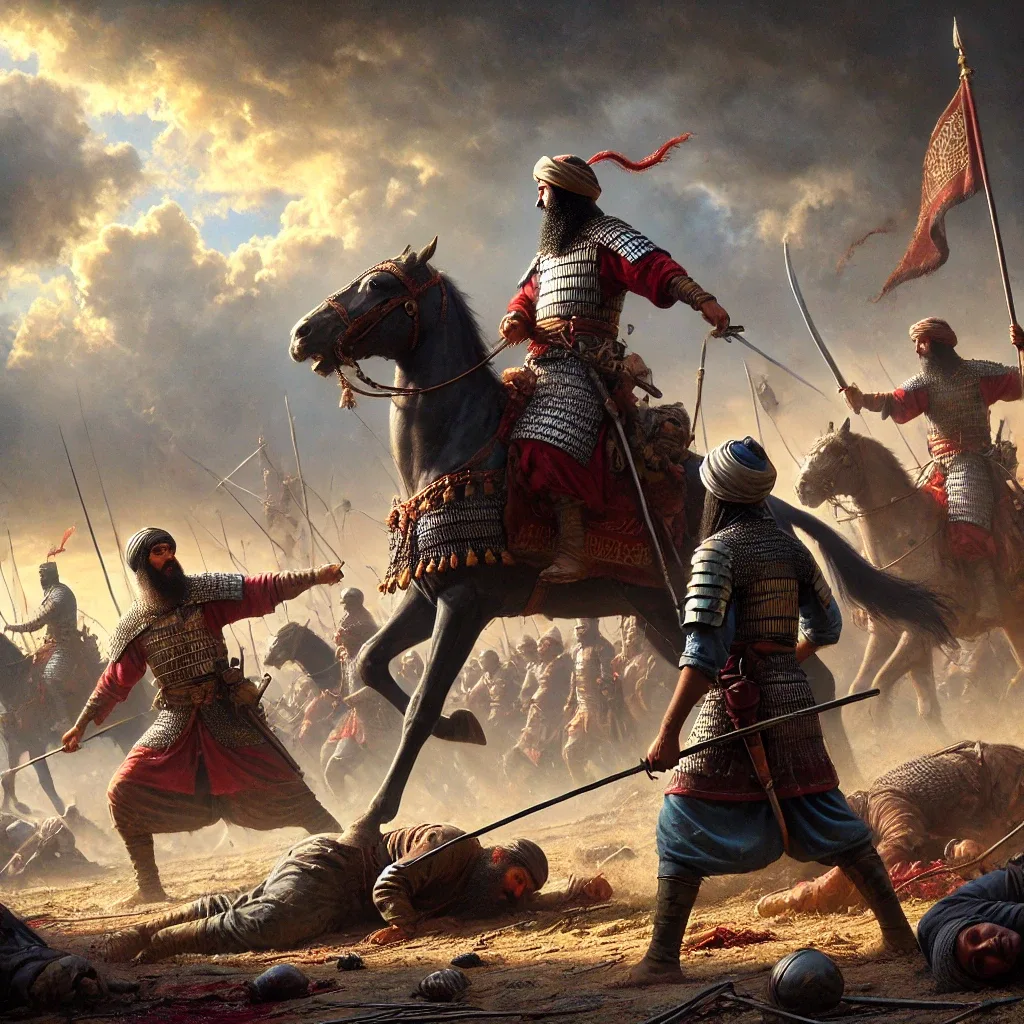
The Battle of the Trench, also known as the Battle of the Confederates, occurred in 627 CE when a large coalition advanced toward Madinah. Following consultation, the Muslims prepared a defensive trench around vulnerable parts of the city, creating a significant obstacle for the attacking forces.
Unlike Badr and Uhud, the confrontation developed primarily as a siege rather than a conventional open battle. The coalition eventually withdrew without capturing Madinah. The event demonstrated the importance of strategic planning, consultation, patience, and defensive preparation when facing a larger and better-resourced force.
Treaty of Hudaybiyyah (628 CE): The Victory Disguised as Defeat
The battles of Prophet Muhammad can’t be understood only through military confrontations. The Treaty of Hudaybiyyah in 628 CE was a major example of peaceful negotiation. Muslims traveled toward Makkah intending to perform Umrah, but the Quraysh prevented them from entering the city, leading to a negotiated agreement.
Although some terms initially appeared difficult for the Muslims, the treaty created a period of peace that allowed relationships and communication to develop. The battles of Prophet Muhammad ﷺ were therefore part of a wider historical period that also included diplomacy, agreements, and peaceful efforts.
The Lesson:
The experience of Hudaybiyyah teaches that an outcome may have greater value than it first appears. The Battles of Prophet Muhammad occurred alongside decisions that prioritized long-term stability and broader opportunities for peaceful interaction, demonstrating the importance of patience, thoughtful negotiation, and looking beyond immediate circumstances.
Conquest of Makkah (630 CE): The Merciful Victory
The conquest of Makkah took place in 630 CE after the Quraysh and their allies violated the Treaty of Hudaybiyyah. The Muslims entered Makkah with a large force, and the city came under Muslim control with limited fighting. The event marked a major transformation in the history of Arabia.
The battles of Prophet Muhammad are sometimes discussed mainly in terms of military victories, but the conquest of Makkah also highlights the Prophet's mercy and restraint. His conduct after entering the city demonstrated that political and military success didn’t require widespread retaliation against former opponents.
Other Significant Battles
Several other military encounters shaped the early Muslim community, including the Battle of Khaybar, the Battle of Mu'tah, and the Battle of Hunayn. Each occurred under different circumstances and involved distinct political or military conditions, so they should be studied individually rather than treated as one continuous conflict.
The battles of Prophet Muhammad also included encounters that tested the Muslims' organization, leadership, and ability to respond to changing circumstances. Studying these events together with treaties and peaceful developments provides a more complete picture of the Prophet's leadership during the Madinan period.
The Prophet as Military Leader
The Prophet Muhammad demonstrated leadership through consultation, careful planning, and responsibility. He listened to his companions, assessed circumstances, and prepared the Muslim community for difficult situations. His leadership also included supporting people after setbacks and maintaining discipline, showing that effective leadership requires patience, wisdom, preparation, and accountability.
Addressing Common Misconceptions
The military events of the Prophet’s time shouldn’t be viewed as one continuous campaign or explained without historical context. Each encounter had its own circumstances, causes, and outcome. Some involved direct fighting, while others were shaped by defense, negotiations, alliances, or changing political relationships between communities.
Why These Battles Matter Today
Studying these events can help Muslims understand important lessons about patience, consultation, resilience, discipline, and responsible leadership. They also show how the early Muslim community responded to difficult circumstances while maintaining its religious principles. Learning their historical context encourages a more balanced understanding of Islamic history beyond simply memorizing dates and outcomes.
FAQs
What was the first major battle in Islam?
The Battle of Badr in 624 CE was the first major battle between the Muslims and Quraysh.
Why was the Battle of Uhud important?
Uhud taught important lessons about obedience, discipline, patience, and responding to difficult setbacks.
What was the Treaty of Hudaybiyyah?
It was a peace agreement between the Muslims and Quraysh in 628 CE that created a period of stability and later proved highly significant.
The battles of Prophet Muhammad reflect important lessons about leadership, patience, strategy, diplomacy, and faith. Studying their historical context helps Muslims understand early Islamic history more accurately and appreciate the wisdom behind different decisions.
Read more:
Basic Islamic knowledge for toddlers | Alhamd Academy